Book Now
San Antonio, TX
Change
Locations

Windcrest, TX

Holmes Roofing & Exterior Solutions

San Antonio & Surrounding Areas
Business Hours
Mon - Sat - 9:00AM-6:00PM
Sun - Closed
Call Us Today
(210) 440-1013
Connect With Us

Your Windcrest Roofing Contractor

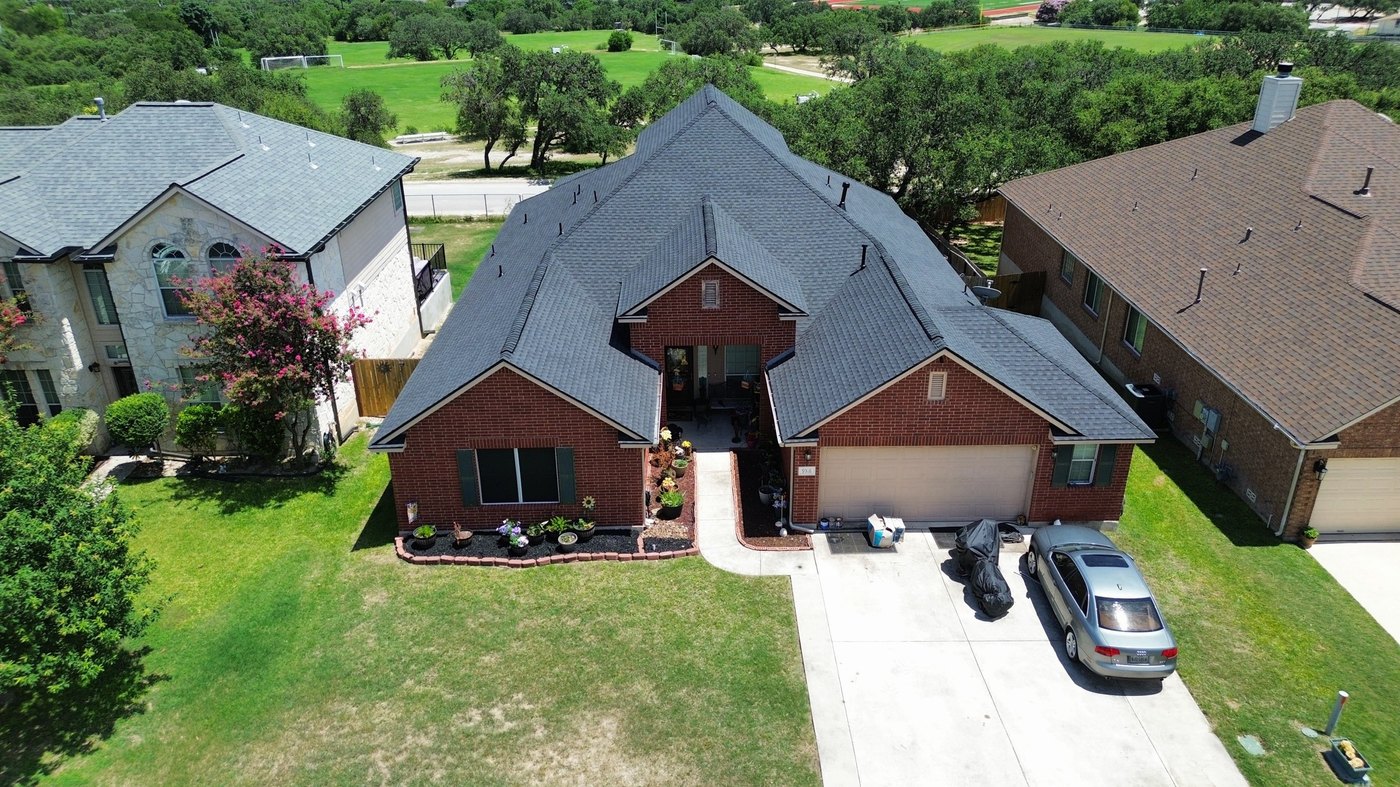
Windcrest is a city of roughly 6,000 residents sitting just east of where IH-35 crosses Loop 410, between JBSA-Fort Sam Houston and JBSA-Randolph. The city was developed in the late 1950s and grew rapidly through the 1960s, expanding from 441 residents in 1960 to over 3,300 by 1970. That initial building boom defined the city’s character: four-sides-brick ranch homes on generous lots with large backyards, built to appeal to military families and civilian professionals working at the nearby bases and the growing northeast San Antonio economy. We’re Holmes Roofing & Exterior Solutions, based in Selma, and Windcrest is one of the communities we serve most frequently — the 1960s brick construction that defines this city is exactly the kind of housing stock we know best.

Windcrest is also known for something that no other city in the San Antonio metro can claim: the annual Light-Up, a decades-long tradition where residents transform their homes into elaborate holiday light displays that draw visitors from across the region. That tradition reflects the pride Windcrest homeowners take in their properties. The roof is the largest visible surface on every home, and in a community where tens of thousands of people drive through your neighborhood every December, a well-maintained roof is not just functional — it is part of the civic identity.

Roofing Services We Provide in Windcrest

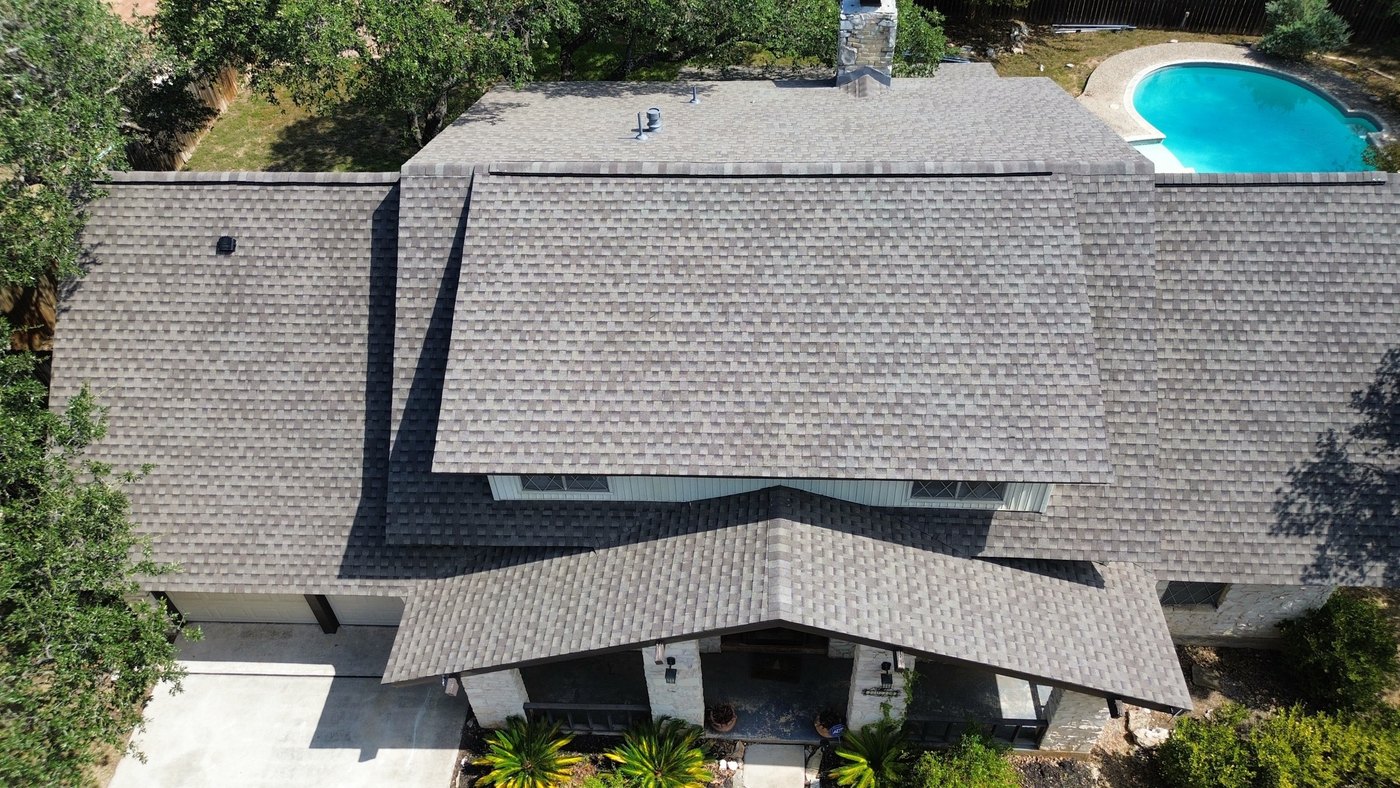
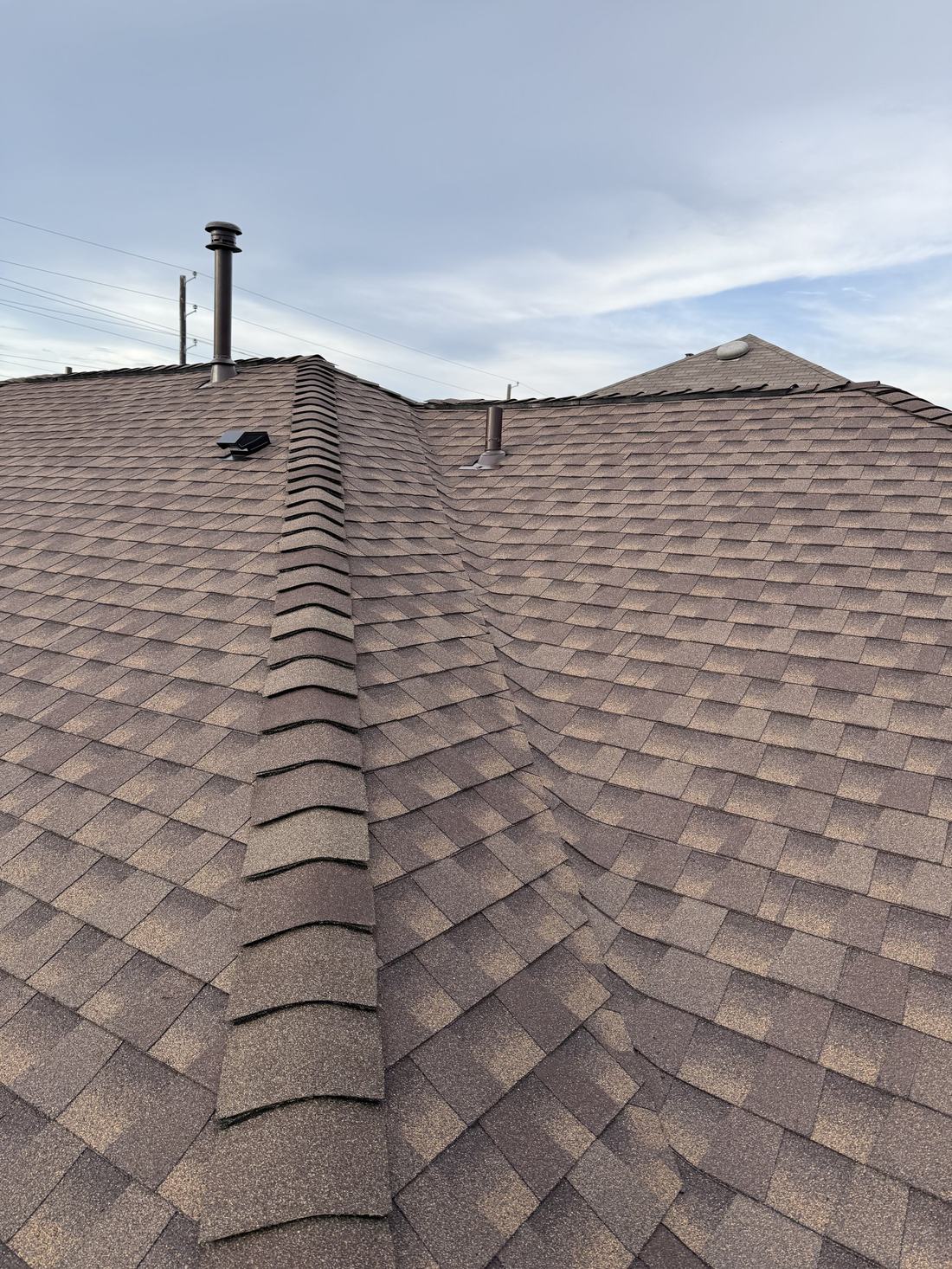
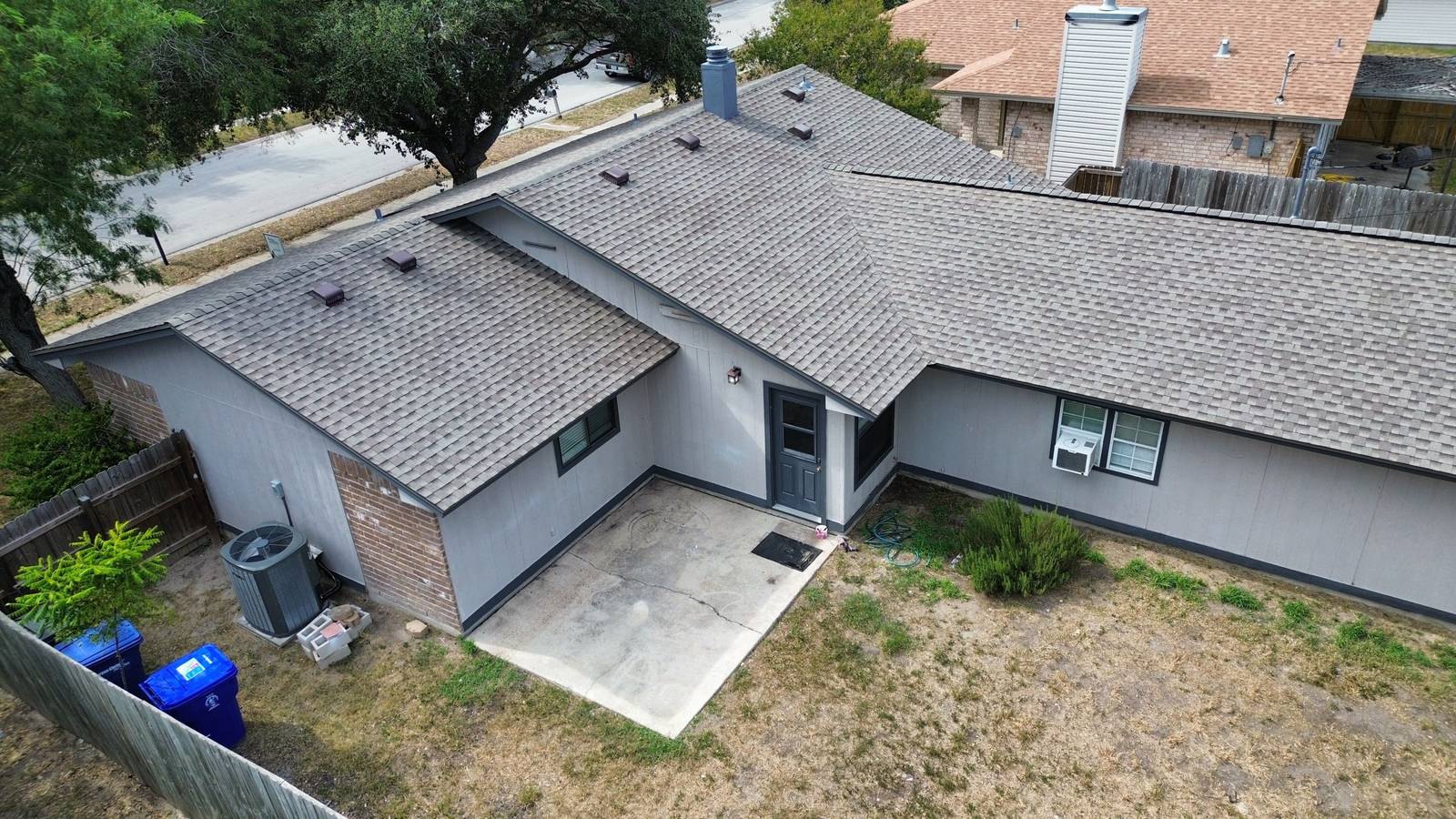
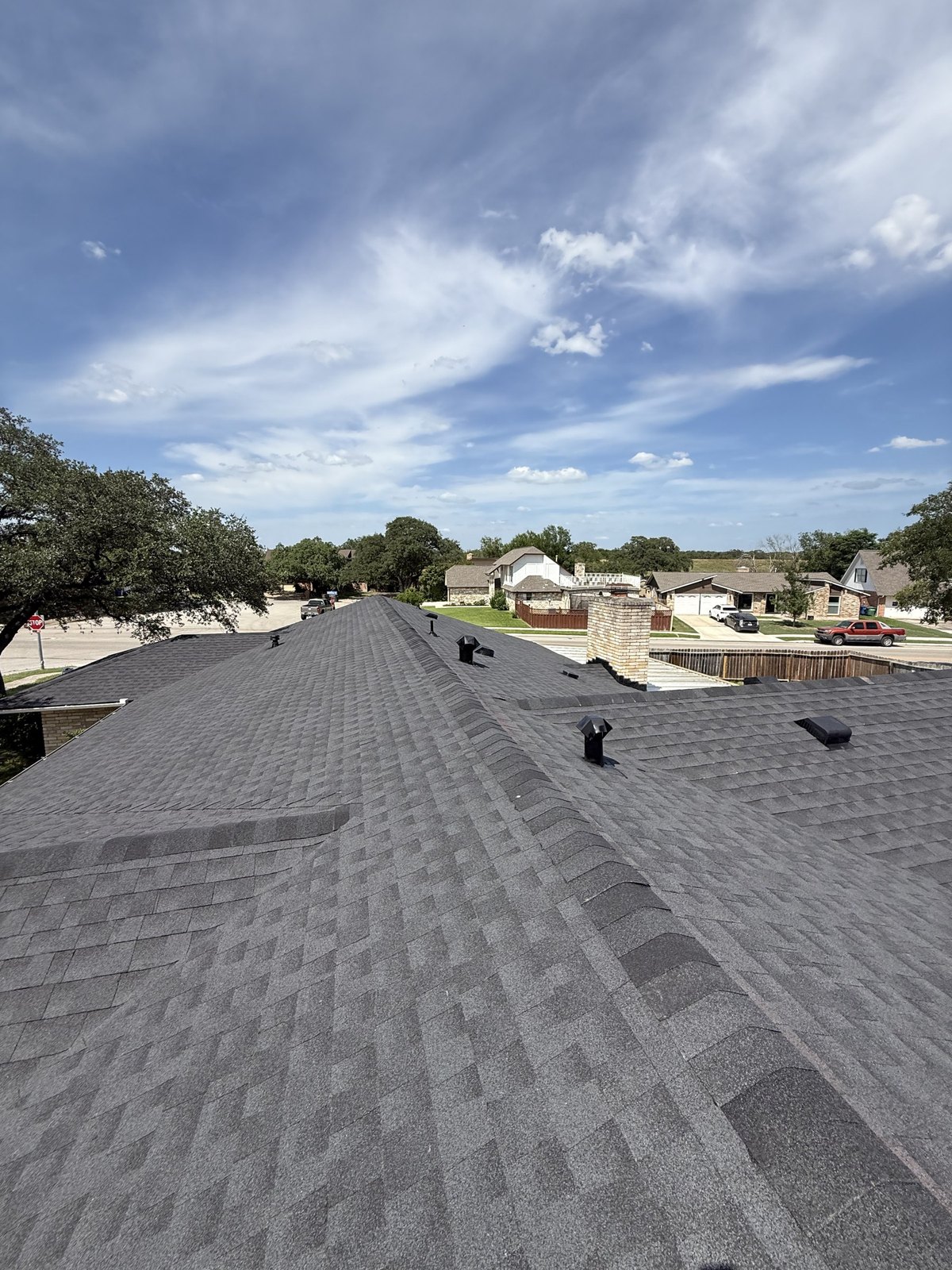
Roof Replacement — Windcrest’s housing stock is overwhelmingly from the 1960s, which means most homes in the city are on their second or third roof. The original roofs were three-tab asphalt shingles on plywood or plank decking, and the typical replacement timeline in this climate puts a 25-year shingle at 20 to 22 years of actual useful life. We perform full tear-off on every Windcrest replacement to inspect the decking beneath. On a 60-year-old home that has been re-roofed one or two times already, nail holes accumulate, moisture intrusion from past leaks may have softened sections of sheathing, and the original ventilation is almost certainly inadequate by current standards. We address all of this during the replacement rather than covering it with new shingles.

Roof Repair — The most common repair issues in Windcrest stem from the age and construction style of the homes. Brick ranch homes with minimal eave overhang experience more water intrusion at the wall-to-roof junction than homes with wide soffits. The original flashing details on many Windcrest homes were basic — thin aluminum step flashing set in mortar — and after 60 years of thermal cycling, that mortar has cracked and the flashing has corroded. We replace deteriorated flashing with modern materials and proper counterflashing techniques that will outlast the next roof installation.

Storm & Hail Damage — Windcrest’s position near the IH-35 and Loop 410 interchange places it squarely in the path of hailstorms that track along the I-35 corridor through the northeast metro. The city’s older roofs are particularly vulnerable to hail because the asphalt in aging shingles has already lost flexibility — what would cause cosmetic denting on a 5-year-old roof can crack and fracture shingles on a 15-year-old roof, turning cosmetic damage into functional failure. After a hailstorm, we offer free inspections for Windcrest homeowners and document all damage with photographs and measurements that meet insurance adjuster requirements.

Need a post-storm inspection? Call (210) 440-1013 — we will be on your roof within a day or two.

Gutter Installation — Many original Windcrest homes were built with either no gutters or with galvanized steel gutters that have corroded over the decades. The large backyard lots that define Windcrest are an advantage for drainage in most cases, but homes on slopes or at the low point of a block can accumulate significant runoff from neighboring properties during heavy rain. We install seamless aluminum gutters with downspout routing that accounts for the specific drainage patterns of each lot — not a one-size-fits-all installation.

Siding & Exterior — While Windcrest homes are predominantly brick, many have sections of wood or vinyl siding on gable ends, under eaves, or on additions built after original construction. These non-brick sections are where exterior deterioration typically occurs first. We repair or replace deteriorated siding, fascia boards, and soffits to maintain the building envelope integrity that the original brick construction was designed to provide.

What Makes Windcrest Roofing Different

Brick Ranch Construction: Specific Roofing Implications

Windcrest’s four-sides-brick homes are built differently than the frame-and-siding homes common in newer subdivisions, and those differences affect roofing work directly.

Wall-to-roof transitions. On a brick home, the junction between the brick wall and the roof deck requires step flashing that is embedded in the mortar joints. When a roof is replaced on a brick home, the flashing must be properly integrated into the existing masonry without damaging the brick or creating gaps in the mortar. This is a skill that frame-house roofers do not always possess. We have extensive experience with brick-home flashing installation — counter-flashing that is cut into mortar joints and sealed properly, not surface-mounted with caulk that will fail within a few years.

Chimney considerations. Many Windcrest brick homes have masonry chimneys that penetrate the roof plane. The cricket (or saddle) behind the chimney — the small peaked structure that diverts water around the chimney — is one of the most common failure points on these homes. Original crickets were often built with minimal materials and degrade over time. We rebuild chimney crickets during roof replacements with proper metal flashing and step-flashing integration into the chimney masonry.

Limited soffit ventilation. The brick construction on many 1960s Windcrest homes extends to the eave line with minimal soffit area, which restricts attic ventilation. Modern code requires a balanced system of intake ventilation at the soffits and exhaust ventilation at the ridge or near the peak. On homes where the existing soffit depth does not accommodate continuous ventilation, we install individual rectangular soffit vents at calculated intervals to achieve the required net free area. Without this ventilation upgrade, a new roof installed on a Windcrest home will experience the same premature degradation that shortened the life of the previous roof.

Neighborhood-Specific Considerations

Central Windcrest (Crestway Drive Area) — The heart of the original development, with homes dating to the late 1950s and early 1960s. This area has the oldest housing stock in the city and the most complex roofing needs. Many homes here have been through multiple renovation cycles that added rooms, enclosed porches, or built covered patios, creating multiple roof junctions where the addition meets the original structure. Each junction is a potential leak point, and the quality of the flashing work at these transitions varies enormously depending on who did the original addition. During replacement, we address every junction with new flashing properly integrated into both the original and addition structures.

Southern Windcrest (near Walzem Road and IH-35) — Homes in the southern portion of the city are closer to the IH-35 corridor and experience slightly higher ambient noise. More importantly for roofing, this area tends to have less tree canopy than central and northern Windcrest, which means higher thermal exposure during summer months. Unshaded roofs in this section of Windcrest experience more intense UV degradation and thermal cycling, and we factor this into material recommendations — specifying shingle lines with enhanced UV-resistant granules and high-reflectivity options when appropriate.

Northern Windcrest — The quieter, more residential streets in the northern section benefit from a more established tree canopy. Homes here often have the classic Windcrest ranch-on-a-large-lot character with mature live oaks and pecans. The roofing tradeoff is the same as in any heavily treed San Antonio neighborhood: shade extends roof life by reducing thermal stress, but debris accumulation in valleys and organic growth on north-facing slopes requires maintenance attention. We recommend annual roof inspections for northern Windcrest homeowners to catch debris-related moisture problems before they cause damage.

The Light-Up Factor

Windcrest’s annual holiday Light-Up is not a small-scale neighborhood tradition — it is a citywide event that draws tens of thousands of visitors and earns regional media coverage. Many Windcrest homeowners mount light displays that attach to roof edges, ridge lines, and eave fascia. This has practical roofing implications:

  • Nail and screw penetrations. Mounting hardware for light displays creates penetrations in fascia boards and sometimes in the roof deck itself. Each penetration is a potential water entry point. During roof work, we inspect and seal all hardware-related penetrations and recommend non-penetrating mounting alternatives where possible.
  • Foot traffic on roofs. Homeowners (or their contractors) who climb on the roof to install and remove displays each year create wear patterns, especially at access points and along paths to mounting locations. We note these traffic patterns during inspections and check for shingle damage along the paths.
  • Visible roof condition. With thousands of eyes on your home during Light-Up season, the condition of your roof is visible to the entire community. Missing shingles, staining, and algae streaks are conspicuous under holiday lighting. Homeowners who are planning a Light-Up display often prefer to complete roof work in the spring or summer so the new roof looks its best come December.

South Texas Heat and Your Roof

Windcrest’s 1960s brick homes have higher thermal mass than frame construction, which means the building retains heat longer after sunset. Combined with potentially inadequate attic ventilation, this creates an environment where the roof deck stays hot for more hours per day than in a modern, well-ventilated home. The sustained heat degrades shingle adhesive strips and accelerates granule loss — both of which shorten effective roof life.

The most impactful single upgrade during a Windcrest roof replacement is bringing attic ventilation to current code standards. Balanced intake and exhaust ventilation can reduce peak attic temperatures by 20 to 30 degrees Fahrenheit and add 3 to 5 years of effective life to the roofing material. On Windcrest’s brick homes, where soffit ventilation is structurally limited, achieving this balance requires experienced installation — cutting into brick soffits for vents without compromising the structural integrity of the eave requires skill and the right tools.

Why Windcrest Homeowners Choose Holmes Roofing

Brick-home roofing expertise. Windcrest’s four-sides-brick construction requires flashing techniques, ventilation solutions, and chimney integration that differ from standard frame-house roofing. We have the experience to handle these details correctly.

GAF-certified installation. Manufacturer-certified work means enhanced warranty coverage including labor. On a Windcrest home where the roof investment protects a property that the owner plans to live in for decades, that warranty coverage matters.

Honest damage assessment. After a hailstorm, we tell you what we actually find — not what generates the largest claim. If your Windcrest roof has cosmetic hail dents but five more years of functional life, we will tell you that. If the hail cracked through to the mat and the roof needs replacement, we will tell you that too — and handle the insurance claim process from start to finish.

Same-day storm response from Selma. Our base is a short drive from Windcrest. When a storm hits the IH-35 corridor, we are inspecting Windcrest roofs the same day or the next morning, not scheduling a trip from across the city.

Call (210) 440-1013 for a free Windcrest roof inspection — we know these homes.

Windcrest Roofing FAQ

Answers by Joshua Holmes, Owner — Holmes Roofing & Exterior Solutions, Selma, TX.

Do I need a permit to replace my roof in Windcrest?
Yes. Windcrest issues its own residential building permits, and the city is detailed enough about local protection that it even requires a permit just to trim oak trees. We pull the roofing permit, schedule the inspection, and handle the city interaction for you.

Windcrest has a lot of big oak trees over the homes. Does that affect my roof?
It does. The city’s mature live-oak canopy — which Windcrest protects formally, hence the oak-trimming permit — shades roofs (extending shingle life by reducing heat cycling) but also drops leaves and branches that trap moisture in valleys and behind dormers. We recommend keeping valleys clear and inspecting those shaded zones, and during a tear-off we protect surrounding trees and beds rather than working around them carelessly.

How soon after a hailstorm should I get inspected?
Within 7–14 days. Texas was the #1 state in the country for hail events (1,123 statewide in 2023, per the Insurance Information Institute), and Windcrest shares the surrounding San Antonio hail exposure. Tree cover can hide hail bruising from a ground-level glance, which is exactly why a roof-level inspection matters. Ours are free.

Will you handle the insurance claim?
Yes. We photograph damage to adjuster standards, meet the adjuster on site, and handle supplements when the first scope misses code items. You work with us; we manage the carrier paperwork.

Is the estimate free?
Always. Call (210) 440-1013 for a free, no-obligation inspection — Windcrest is a short drive from our Selma base and we can usually be out within a day or two.

Call Now