San Antonio Metro Roofing & Exteriors
Spring Branch, TX Roofing and Exterior Services
Roofing, siding, and gutter work backed by a real workmanship warranty, with Joshua Holmes personally overseeing the job.
Roofing, siding, and gutter work backed by a real workmanship warranty, with Joshua Holmes personally overseeing the job.
Spring Branch is part of our regular San Antonio-metro service area, on the Hill Country edge of the metro. Our Selma shop is about 21 miles from here. That is a short enough run that scheduling is a matter of days, not weeks.
We would rather tell you to wait a season than sell you a roof you do not need. That is not a slogan; it is why the inspection comes before the quote and why the report is written down.
The warranty is deliberately boring: fifteen years of workmanship coverage on shingle, twenty on metal, and a free annual inspection every year for up to a decade so nothing quietly goes wrong between now and then.
Schedule My Inspection
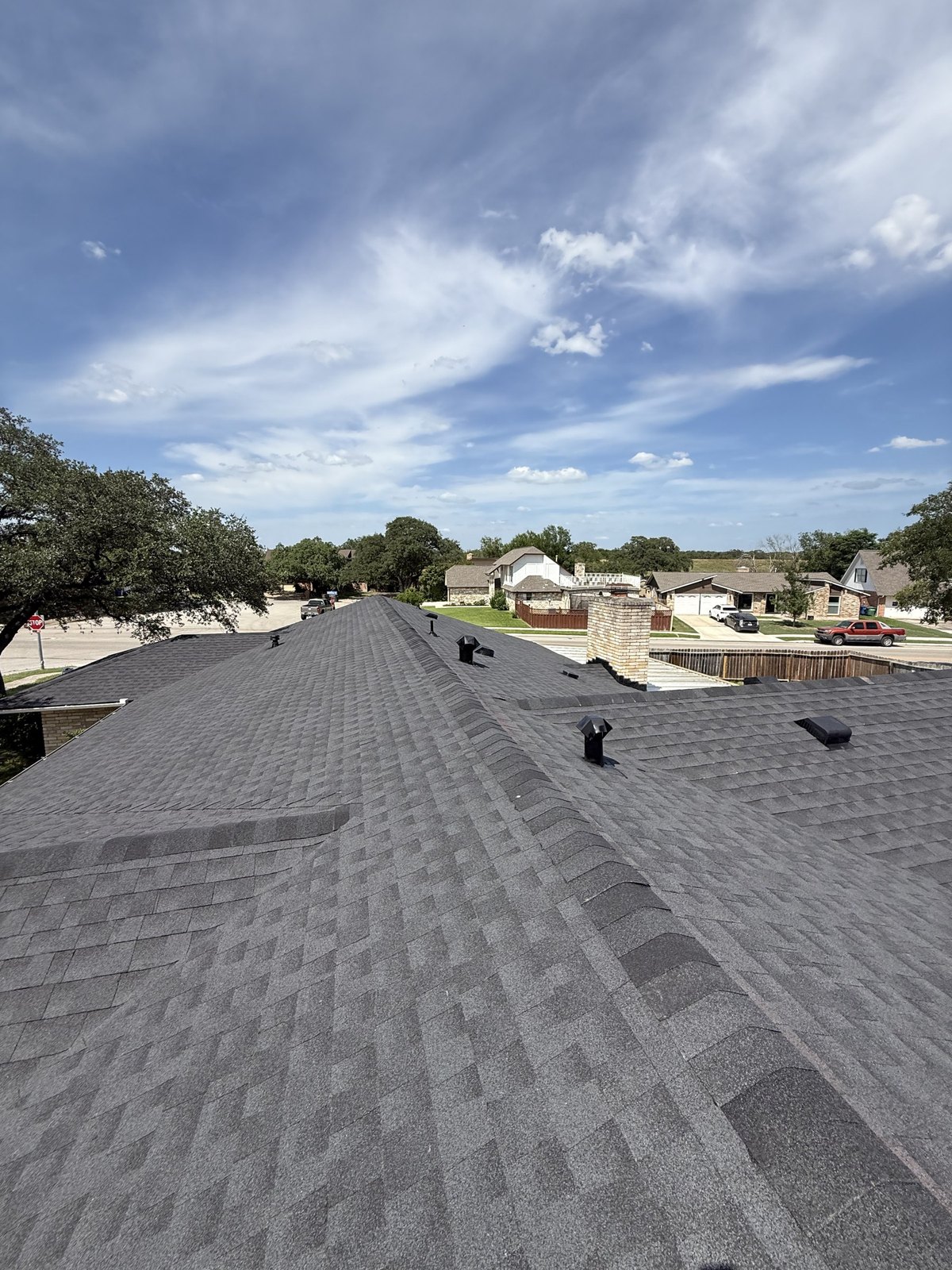
We inspect every inch of the roof, top to bottom, and document everything we find — no guessing, no shortcuts.
A straightforward, written estimate — repair or replace, your call, no upsell.
GAF-certified work, plus our own workmanship guarantee on top of the manufacturer’s material coverage.
We work out of Selma. Spring Branch sits roughly 21 miles north-northwest of the shop — a real drive, and we would rather be straight about it than pretend every address is around the corner. Tell us when works for you and we will tell you honestly when we can be there. For reference, Spring Branch sits about 29 miles north-northeast of San Antonio.
Response time is the part we hold ourselves to regardless of distance: a call gets an inspection coordinated inside 24 hours, and a same-day check when the weather makes it urgent.
| Date | Reported size | Report location |
|---|---|---|
| 2021-03-22 | 1.75″ | Twin Sisters |
| 2021-03-23 | 1.75″ | Canyon Res |
| 2023-03-02 | 1.75″ | Smithson Vly |
Source: NOAA National Centers for Environmental Information, Storm Events Database (hail reports, 2020–2026). Reports are point observations logged by spotters and trained observers, so they show where hail was recorded — not the full footprint of any storm, and not a substitute for looking at your own roof. NOAA also revises recent months, so the last stretch of any year tends to undercount.
Geography and county lines from the U.S. Census Bureau; hail counts from NOAA’s Storm Events Database. We would rather publish four facts we can source than a page of local color we cannot.
Spring Branch’s city limits reach into Blanco and Kendall counties as well as Comal. It lies roughly 21 miles north-northwest of our Selma home base.
An incorporated city in Comal County. Permit rules are set locally and they change, so we confirm the current requirement for your job rather than working from memory.
NOAA National Centers for Environmental Information, Storm Events Database (hail reports, 2020–2026) lists 13 hail reports within about ten miles of Spring Branch across 4 of the last seven years, 7 of them an inch and a half or larger. The largest measured 1.75 inches.
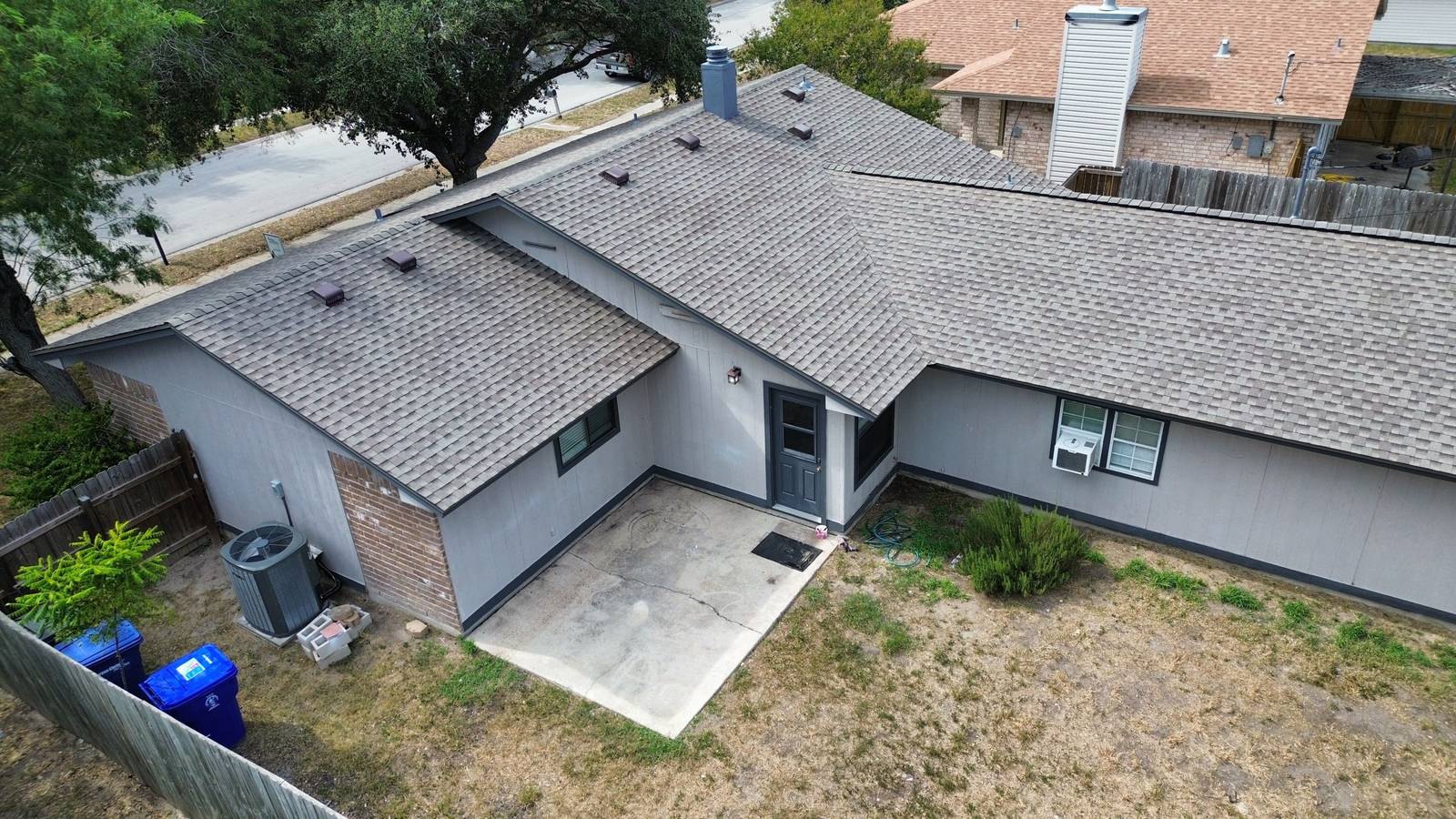
Shingle repairs, flashing fixes, and ridge or hip cap work — priced from a free inspection, repair or replace, your call.
Repair Details →Bruised shingles and dented flashing are easy to miss and hard to argue about later. A documented post-storm inspection settles the question while the damage is fresh.
Storm Damage Help →Tear-off, decking check, new underlayment, and the shingle tier you pick — under a 15-year workmanship warranty, 20 on metal.
Replacement Options →Shingles, flashing, boots, ventilation, and the storm damage you cannot see from the ground, all photographed and written up.
What We Check →Siding is the shield between your walls and South Texas weather. We repair and replace it, with the quote in writing first.
Siding Options →The expensive version of storm damage is the version nobody looked at. Water gets under the shingle, sits on the decking, and turns a flashing repair into a deck replacement over a couple of seasons.
For Spring Branch specifically: The federal storm record lists 13 hail reports inside a ten-mile radius around Spring Branch across 4 of the last seven years, 7 of them an inch and a half or larger. The largest measured 1.75 inches. Those are reported events near the city, not damage estimates for any particular house — only getting on your roof answers that.
Storm or hail damage often qualifies for an insurance claim. Our part is the roofing part: we document what we find in a written, photographed report and give you our repair estimate. We are not public adjusters and we do not represent you to your insurer — the claim itself stays yours.
Get My Free Inspection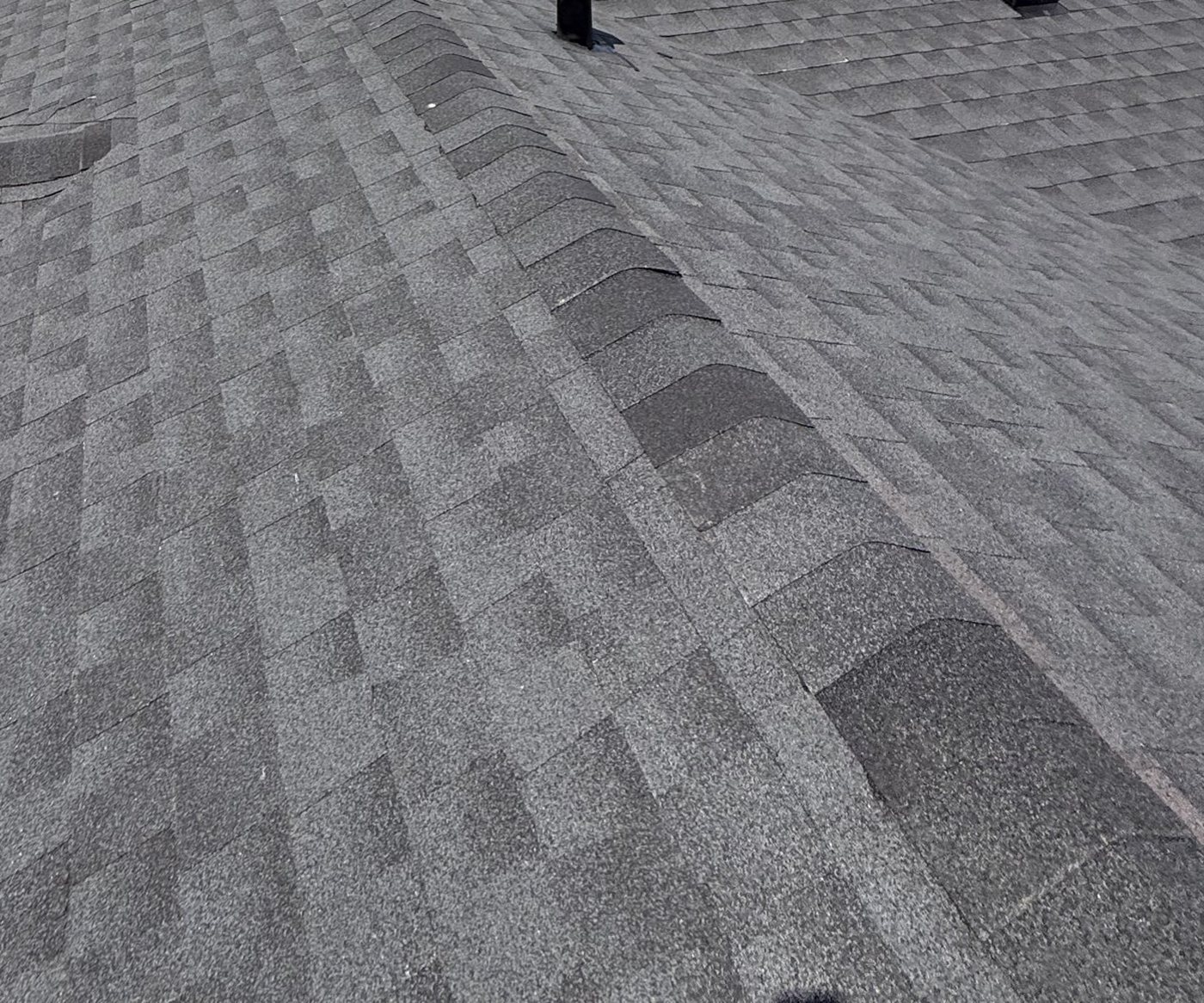
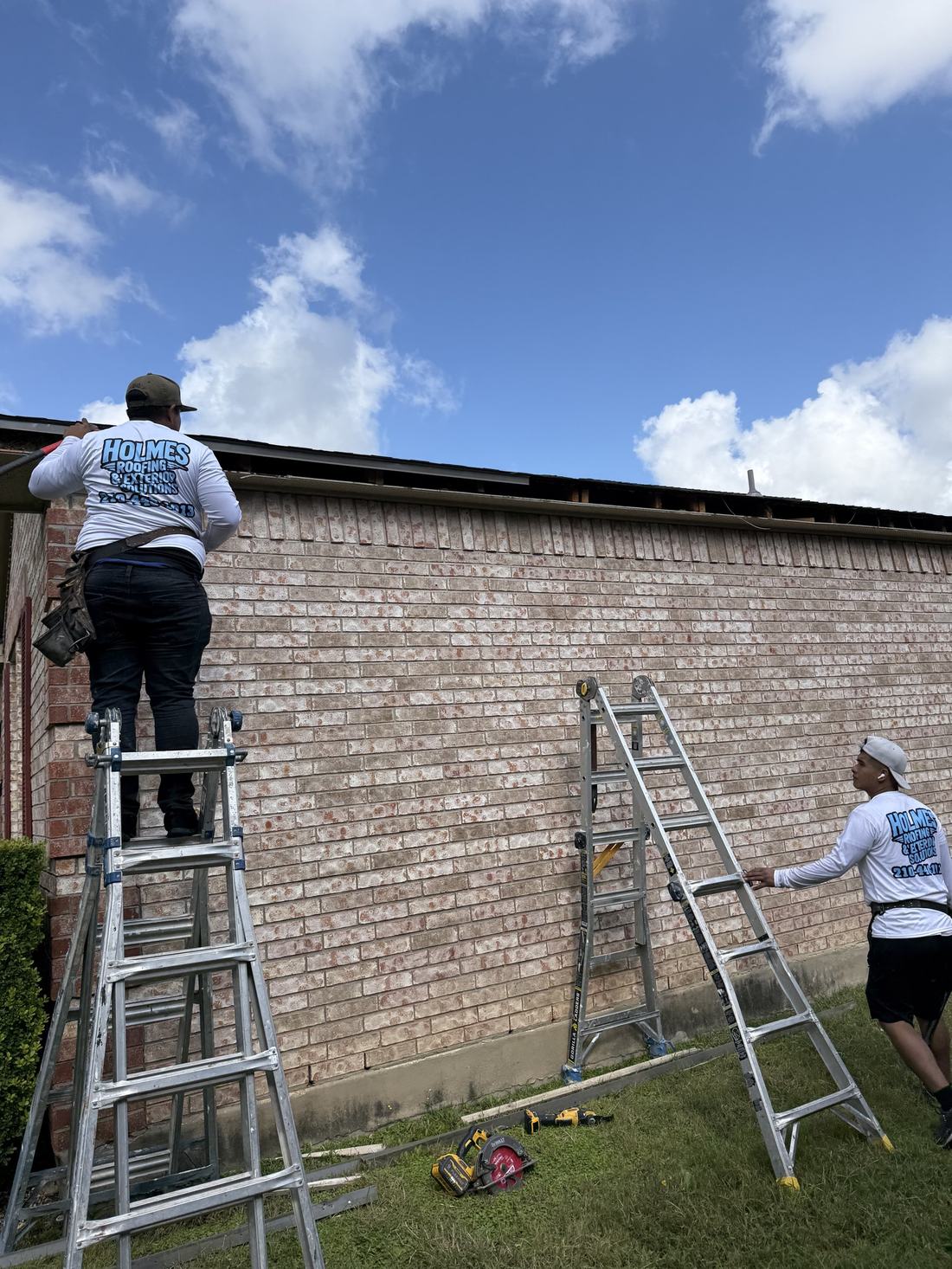
Joshua Holmes personally oversees every job, bringing 20+ years of roofing and contracting experience to the inspection.
Roofing, siding, gutters, decks, and fences run through the same shop, so the seams between trades stop being your problem.
15 years on shingle roofs, 20 on metal — plus free annual inspections for up to ten years.
Synchrony financing is available for larger projects — ask about payment plans during your inspection.
Findings, scope, and price all arrive in writing with photographs attached — nothing important gets left as a handshake.
We respond and coordinate an inspection within 24 hours of your call — including a same-day roof check when conditions call for it.
Listed nearest first — Bulverde is the closest of these to Spring Branch, about 7 miles away.
Answers from Joshua Holmes, Owner — 20+ years in roofing and contracting.
Public storm records log 13 hail reports in the immediate Spring Branch area across 4 of the last seven years, 7 of them an inch and a half or larger. The largest measured 1.75 inches. That is the public record for the area, and it is the reason we treat a post-storm inspection as routine here rather than optional.
More than one. Spring Branch’s city limits reach into Blanco and Kendall counties as well as Comal. It does not change how we inspect or what we charge, but it is worth knowing when paperwork asks.
The roofing role, and only that: we document the damage in writing, with photos, and give you our repair estimate. Representing you to the insurer is public-adjusting work, which Texas law keeps separate from contracting — be wary of any roofer who offers it.
Then that is what we quote. Small repairs are real work, not a way into a replacement conversation.
We can supply the written scope, product specs, and photos that approval processes normally ask for. The approval itself runs through you and the association.
Yes. Spring Branch is inside our published service area. If you are unsure whether your specific address falls inside it, one call settles it.
Yes. Synchrony financing is available for larger roofing and exterior projects. Ask during the inspection and we will lay out the options.
Both. Siding, gutters, decks, and fences run through the same shop as the roofing, which is why the transitions at the roofline come out right.
No. The inspection and the written estimate are both free, whether or not you go ahead.
Usually not. A roof that already needs replacing is the one most likely to fail in the next storm, and waiting rarely saves anything but a few weeks.
The written scope you approved, the workmanship warranty, and the manufacturer’s material documentation for what went on the roof.
A walk of the whole roof — shingles, flashing, boots, ventilation, and any storm damage — photographed and written up, then explained to you before you decide anything.
Yes — emergency tarping is part of the storm response, ahead of any decision about the permanent repair.
Yes, and it is free. A written roof report before closing is a lot cheaper than finding out afterward.
Yes — cleanup is part of the job, not a line item you get billed for afterwards.