Book Now
San Antonio, TX
Change
Locations

Castroville, TX

Holmes Roofing & Exterior Solutions

San Antonio & Surrounding Areas
Business Hours
Mon - Sat - 9:00AM-6:00PM
Sun - Closed
Call Us Today
(210) 440-1013
Connect With Us

Your Castroville Roofing Contractor

Castroville is one of the most architecturally distinctive small towns in Texas. Founded in 1844 by Henri Castro and settled by immigrants from the Alsace region of France, the town earned its official Texas Historical Commission designation as “The Little Alsace of Texas” — and the 96 pioneer-era homes and structures built between 1844 and 1920 aren’t museum pieces. People live in them. That means someone has to know how to roof them correctly while respecting what makes them irreplaceable. At the same time, Castroville is growing: master-planned communities like Alsatian Oaks are adding hundreds of modern homes on the town’s eastern edge. A roofing contractor working in Castroville needs to understand both centuries.

We’re Holmes Roofing, and we serve Castroville from our Selma base — a 30-minute drive west on US-90. We’ve worked on homes across Castroville’s full spectrum, from the steeply pitched gabled roofs of the historic district to the standard-pitch production homes in newer subdivisions. The Medina River corridor, the heritage architecture, and the transition from Hill Country terrain to the coastal plain create roofing conditions here that are specific to this place and no other.

Roofing Services We Provide in Castroville

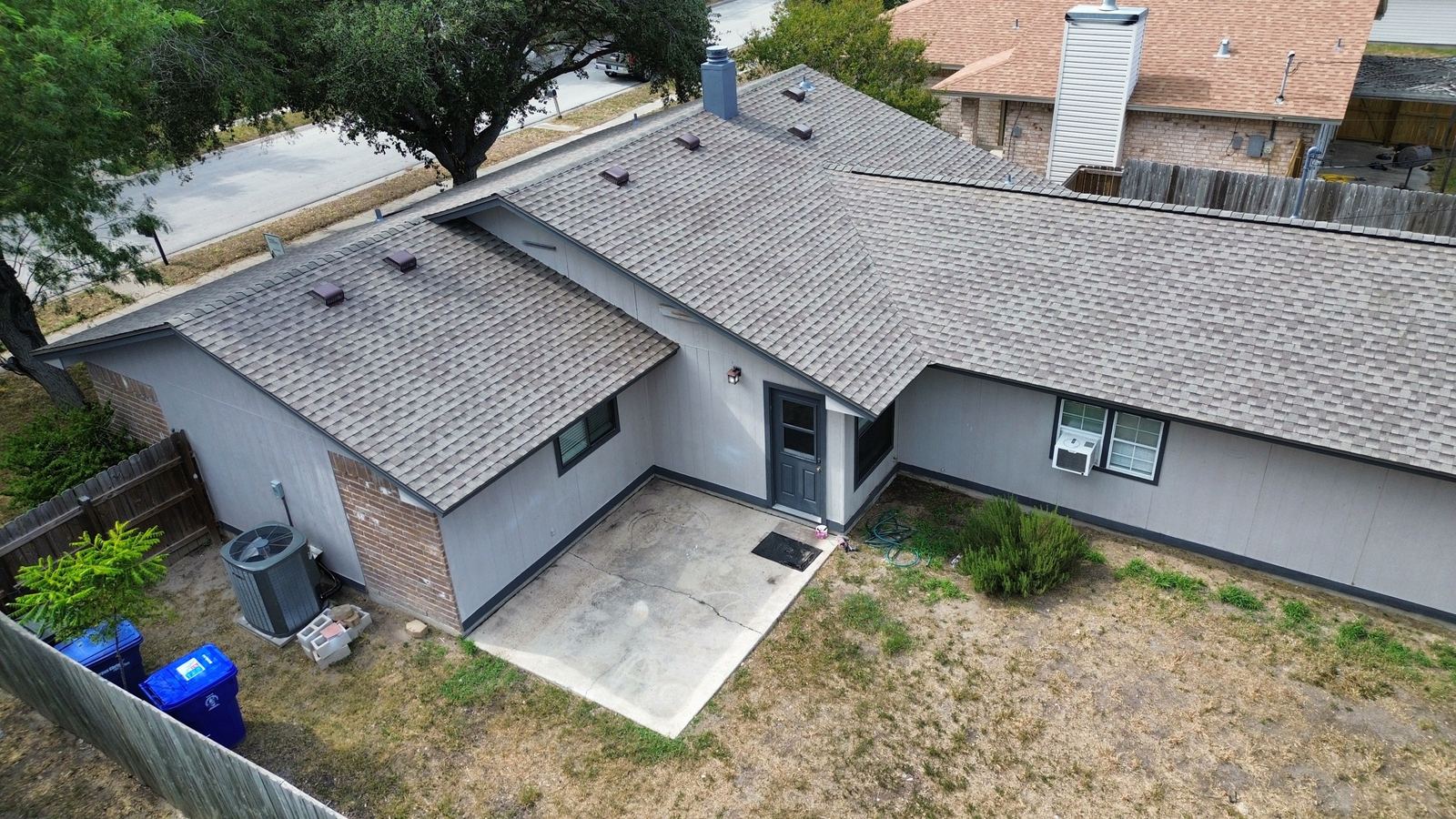
Roof Replacement — Castroville replacement work falls into two distinct categories. For homes in the historic district — those thick-walled limestone structures with steep gabled roofs originally clad in cypress shingles or tin — replacement requires careful attention to both structural compatibility and visual authenticity. The steep pitches (often 8:12 to 12:12) that define Alsatian architecture create different load paths, material requirements, and safety protocols than standard suburban roofs. For newer homes in communities like Alsatian Oaks, Alsatian Heights, and Summerlin, replacement is more conventional but still requires proper material specification for the area’s storm exposure along the US-90 corridor.

Roof Repair — The Medina River runs directly through Castroville, and the associated humidity, flooding history, and vegetation create specific repair patterns. River-adjacent properties see accelerated flashing corrosion, algae and moss growth on shaded slopes, and water infiltration at chimney-to-roof junctions where older masonry has shifted over decades. On historic homes, repairs must address the problem without altering the structure’s character — no modern materials visible from the street that clash with 180-year-old limestone walls.

Storm & Hail Damage — Castroville occupies the western edge of San Antonio’s storm corridor, where cells that form over the Hill Country and Medina County plateau track eastward along the US-90 path toward the metro. The town’s position means it catches storms early — often before they’ve been tracked and warned by metro-focused weather services. Hail events can arrive with less warning time than San Antonio neighborhoods receive. We provide free post-storm inspections across Castroville and surrounding Medina County and respond within 48 hours of significant weather events.

Need a post-storm inspection? Call (210) 440-1013. We respond quickly in Castroville because early documentation after hail makes the difference in insurance claim outcomes.

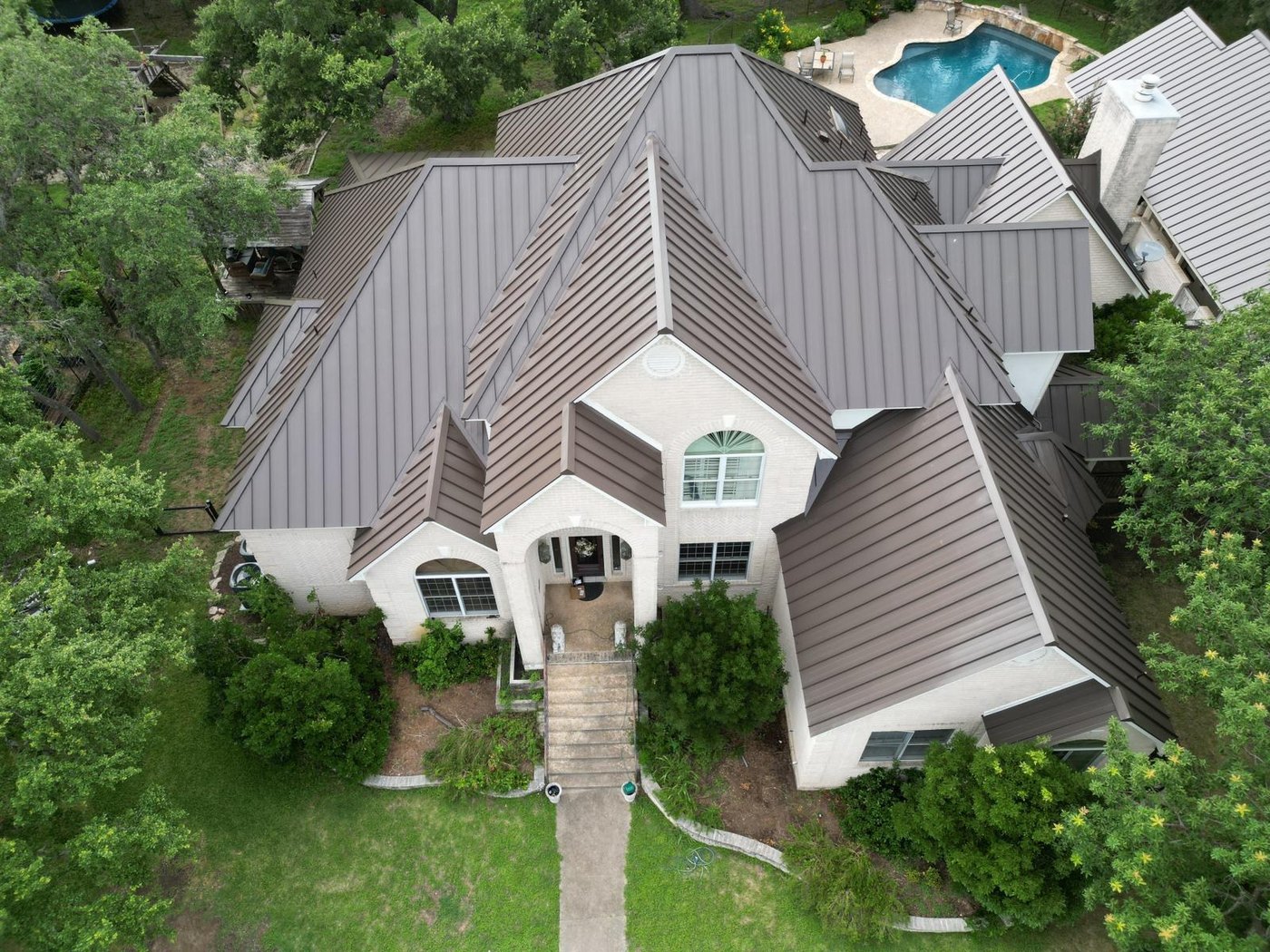
Metal Roofing — Metal has deep roots in Castroville. The original Alsatian homes transitioned from cypress shingles to standing seam tin in the late 1800s, and many historic properties still wear metal roofs today. For new construction and modern homes, standing seam metal in aged or weathered finishes bridges Castroville’s heritage aesthetic with contemporary performance — 40-60 year lifespan, hail resistance, and heat reflectance that reduces cooling costs in South Texas summers. We install 24-gauge standing seam panels in finishes that complement both historic limestone and modern Hill Country stone exteriors.

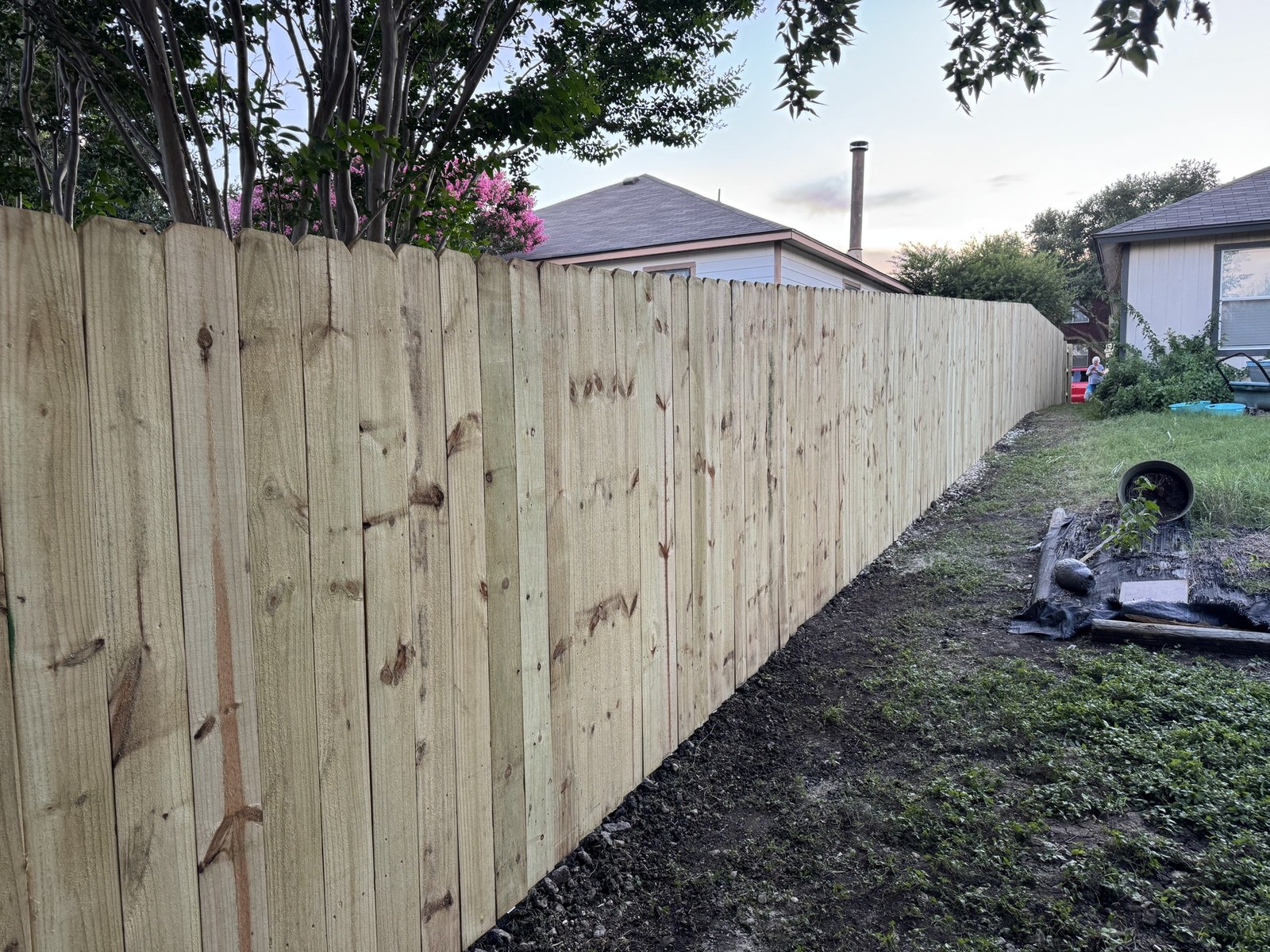
Siding & Exterior — Castroville homes — historic and modern — frequently need exterior work alongside roofing. Historic properties may have deteriorated wood fascia, original soffit materials that have failed, or stucco coatings that have separated from the underlying limestone. Modern homes in Alsatian Oaks and Westridge may need fascia replacement, soffit ventilation upgrades, or Hardie board siding repair where builder-grade installation has begun to fail. We handle the complete exterior envelope as a single coordinated project.

What Makes Castroville Roofing Different

Historic Architecture Meets Modern Building

Castroville’s roofing landscape is defined by the tension between preservation and performance. The 96 settlement-era structures identified by the Texas Historical Commission represent an architectural heritage found nowhere else in the state: Alsatian building methods adapted to Texas materials, with thick stuccoed limestone walls, hand-hewn cypress or cedar timber beams, and the distinctive steeply gabled rooflines that echo the Alsace region of France.

These historic roofs have specific requirements:

  • Steep pitches — Alsatian architecture uses steep gable pitches (8:12 to 12:12) that were designed to shed heavy European snowfall. In Texas, these pitches still serve a function — they shed hail and rain rapidly and provide generous attic space for ventilation — but they require specialized safety equipment and crew experience to work on safely. A roofer accustomed to standard 4:12 suburban pitches is not equipped for 12:12 work.
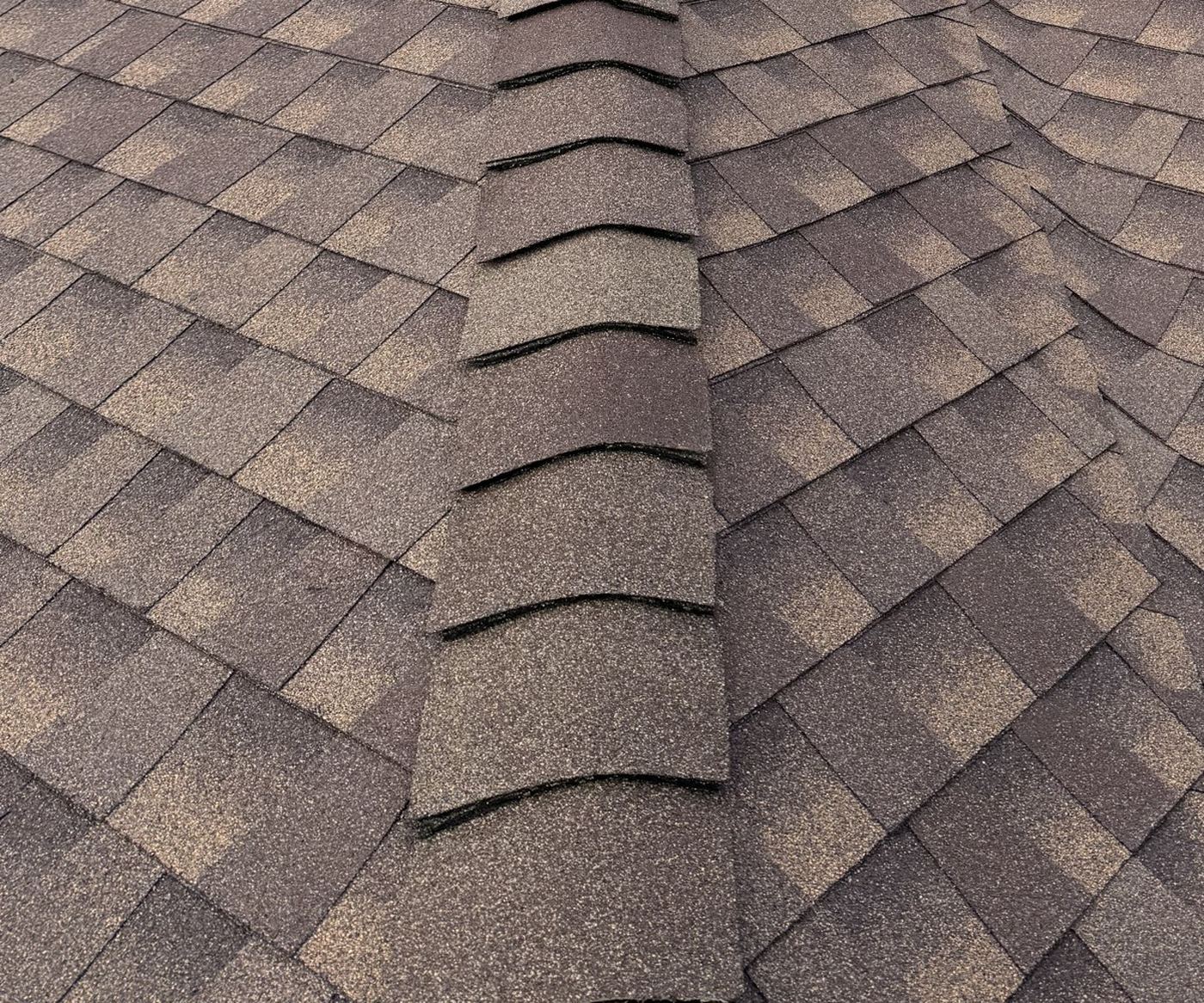
  • Material sensitivity — Standing seam metal, wood shingles, and composition shingles in muted earth tones are appropriate for the historic district. Bright colors, modern profiles, or synthetic materials that read as obviously contemporary from the street compromise the visual integrity of the district. We work with homeowners and, when applicable, preservation guidelines to select materials that protect the home while respecting its place in Castroville’s story.
  • Structural realities of 180-year-old construction — These homes were not built to modern framing standards. Roof structures use original timber that may have shifted, cracked, or deteriorated over nearly two centuries. We evaluate structural members during every historic-home project and reinforce where necessary without altering the visible character of the structure.

Area-Specific Considerations

The Historic District — Castroville’s walking tour features over 70 structures built between 1844 and 1920. For homeowners living in these properties, roofing is not just construction — it’s stewardship. The Burger House (1844), considered Castroville’s oldest home, exemplifies the Alsatian cottage form: two rooms with a loft, thick limestone walls, and a steeply gabled roof. Homes throughout the district share these DNA markers. Roofing work on any of these properties must be approached with respect for what the structure is and why it survives. We strip carefully to inspect the original timber structure, repair rather than replace historic framing when possible, and install materials that perform for decades without compromising the building’s historic character.

Alsatian Oaks — The largest new development in Castroville, this 453-acre master-planned community on the town’s eastern edge brings modern suburban living to a historic setting. Builders including Highland Homes, Perry Homes, Chesmar Homes, and Coventry Homes offer homes surrounded by mature oak trees and the scenic Hill Country landscape. Roofing concerns in Alsatian Oaks are production-home standard: verifying builder installation quality, monitoring for early material failures covered under builder warranty, and planning for the first replacement cycle when builder-grade shingles reach end of life. The community’s HOA has architectural standards for roofing materials and colors — we verify compliance before beginning any replacement project.

Alsatian Heights, Summerlin, and Westridge — These newer subdivisions offer additional housing inventory for Castroville’s growing population. Homes here are primarily 2010s-era and newer construction with modern code compliance. Roofing on these homes is straightforward but still benefits from a contractor who inspects beyond the surface — checking that builders properly installed underlayment, that flashing integrates correctly with masonry veneers, and that attic ventilation meets the calculations for South Texas heat loads rather than just meeting minimum code.

Megan’s Landing — A newer community that has attracted families and military buyers (Lackland AFB and Medina Annex are within commuting distance). Standard production homes with composition roofs. VA loan buyers in particular should know that the VA appraisal process includes roof condition assessment — a roof with visible damage or remaining life under 5 years can complicate the loan process. We provide pre-purchase roof inspections for buyers and pre-listing certifications for sellers.

Medina River Corridor — Homes along the Medina River on Castroville’s south side deal with conditions that upland homes don’t: periodic flooding that saturates the soil and raises foundation moisture, dense riparian vegetation that keeps roofs shaded and damp, and humidity levels consistently higher than homes a half-mile from the river. Roofing materials here need to resist moisture-driven degradation. We specify algae-resistant shingles, corrosion-resistant flashing, and ensure attic ventilation is sized for the elevated moisture load rather than standard dry-site calculations.

South Texas Heat and Your Roof

Castroville sits at approximately 760 feet elevation, in the transition zone between the Hill Country and the coastal plain. The Medina River creates a humidity corridor through town that the surrounding uplands don’t experience. Summer temperatures routinely exceed 100 degrees, and the combination of heat and river humidity creates an environment that’s particularly hard on roofing sealants, adhesives, and organic-based materials. The historic homes’ thick limestone walls provide natural insulation that moderates interior temperatures, but the roof surfaces above those walls still absorb the full force of South Texas sun. Modern homes in Alsatian Oaks and surrounding subdivisions rely entirely on their building envelope — roof, insulation, and ventilation — to manage heat, making proper installation of all three components critical to both comfort and material longevity.

Why Castroville Homeowners Choose Holmes Roofing

We respect the historic architecture. Castroville’s Alsatian heritage isn’t a marketing angle — it’s the actual built environment. We approach historic properties with the care they require and the knowledge to work on steep, irregular, 180-year-old roof structures without damaging what makes them significant.

We handle new construction just as well. Alsatian Oaks, Alsatian Heights, and the other growing communities need a local contractor who’ll be here when the builder’s warranty expires. We’re not a storm-chaser crew passing through — we’re building long-term relationships with homeowners who’ll need us again in 20 years.

GAF-certified installation. Our GAF certification provides manufacturer-backed warranty coverage that protects Castroville homeowners on both materials and workmanship. For a community where homes are built to last generations, warranty protection that matches is essential.

Owner-operated. Joshua Holmes oversees Castroville projects personally. In a town of 3,000 people where the hardware store owner knows the roofer’s name, there’s no hiding behind a corporate structure. Our work speaks for itself.

Considering a roof project in Castroville? Call (210) 440-1013 for a free inspection. Whether it’s a pioneer-era limestone home or a brand-new build in Alsatian Oaks, we’ll give you an honest assessment.

Castroville Roofing FAQ

Answers by Joshua Holmes, Owner — Holmes Roofing & Exterior Solutions, Selma, TX.

Do I need a permit to replace my roof in Castroville?
Yes. Castroville requires a building permit for residential remodel work that includes roofing. Applications go to permits@castrovilletx.gov, and the Community Development Department is at 703 Paris St. We pull the permit, schedule the inspection, and handle the city interaction for you.

My home is in the older historic part of Castroville. Does that affect the roof?
It can. Castroville is known for its preserved ‘Little Alsace’ historic character, and homes in the historic area can have design-review considerations beyond a standard permit. If your property falls in that area, we account for it — matching appropriate materials and confirming any review requirements with the city before we start, rather than assuming a standard re-roof process applies.

How soon after a hailstorm should I get inspected?
Within 7–14 days. Texas led the entire country in hail events (1,123 statewide in 2023, per the Insurance Information Institute), and Castroville sits in the broader South Texas hail exposure. Early documentation protects your claim. Our inspections are free.

Will you handle the insurance claim?
We handle the documentation. We photograph damage to adjuster standards, meet the adjuster, and manage supplements if the first scope misses code-required items. You work with us; we deal with the carrier.

Do you come out to Castroville? It’s a bit west of San Antonio.
Yes — we serve Castroville from our Selma base. Call (210) 440-1013 for a free, no-obligation inspection and estimate.

Call Now