San Antonio Metro Roofing & Exteriors
Balcones Heights, TX Roofing and Exterior Services
Roofing, siding, and gutter work backed by a real workmanship warranty, with Joshua Holmes personally overseeing the job.
Roofing, siding, and gutter work backed by a real workmanship warranty, with Joshua Holmes personally overseeing the job.
Balcones Heights is part of our regular San Antonio-metro service area, in the inner ring of the San Antonio metro. Our Selma shop is about 16 miles from here. That is a short enough run that scheduling is a matter of days, not weeks.
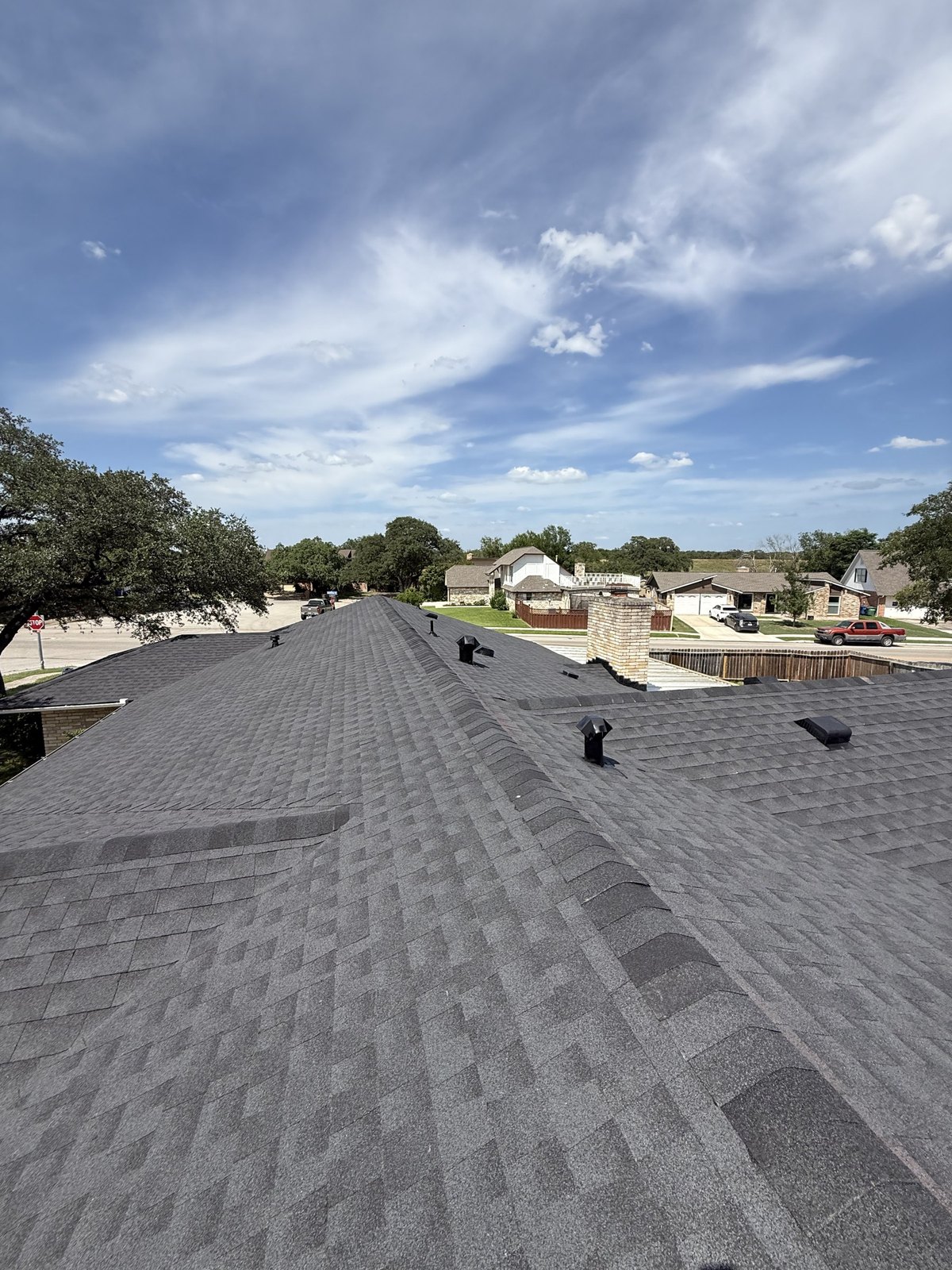
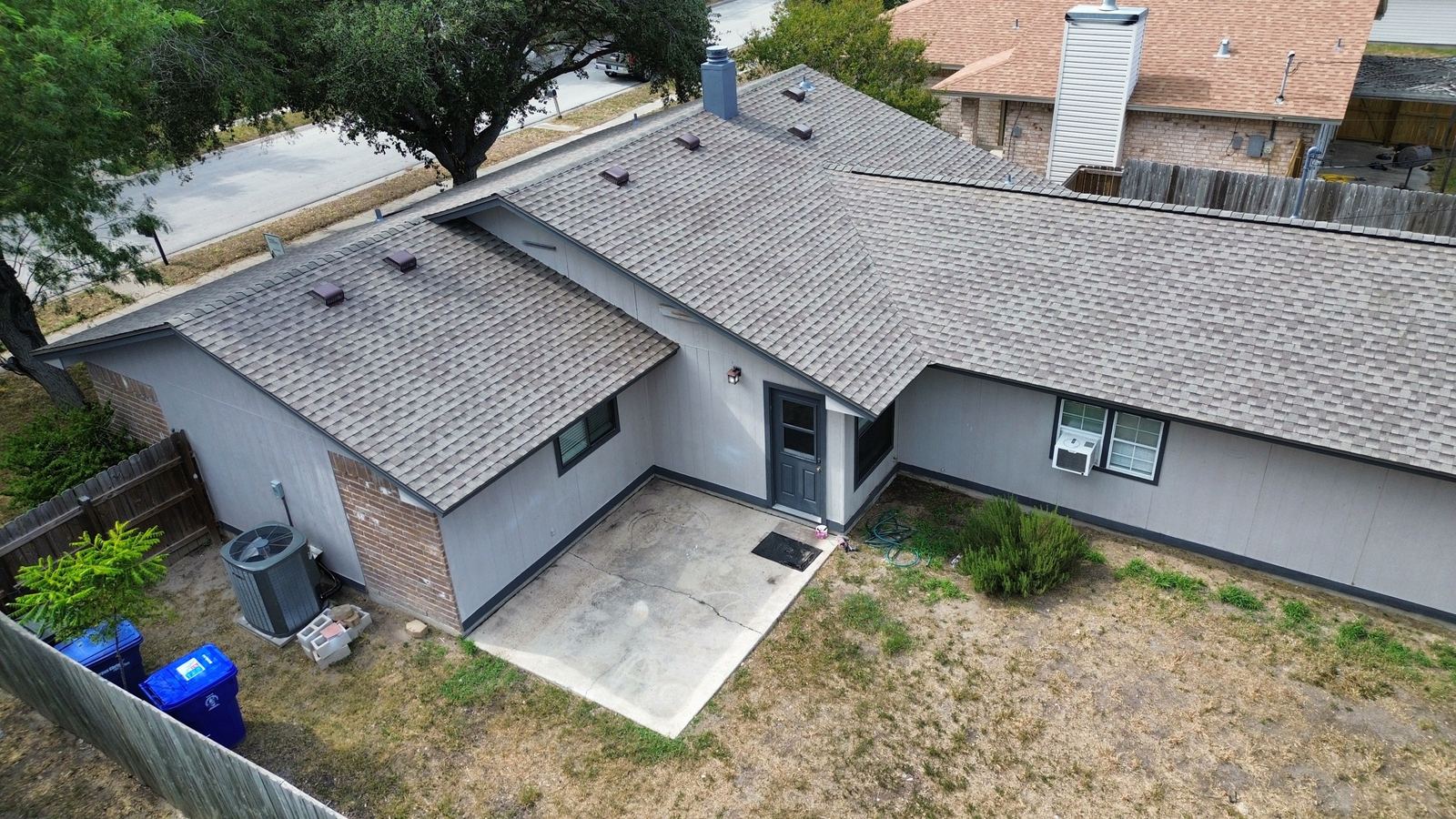
Every roof we look at gets walked, photographed, and written up before anyone talks about money. If the honest answer is that the roof has years left in it, that is the answer you get.
Financing through Synchrony is available when a project is large enough to need it, and we will say so plainly rather than build it into a number you did not ask about.
Schedule My Inspection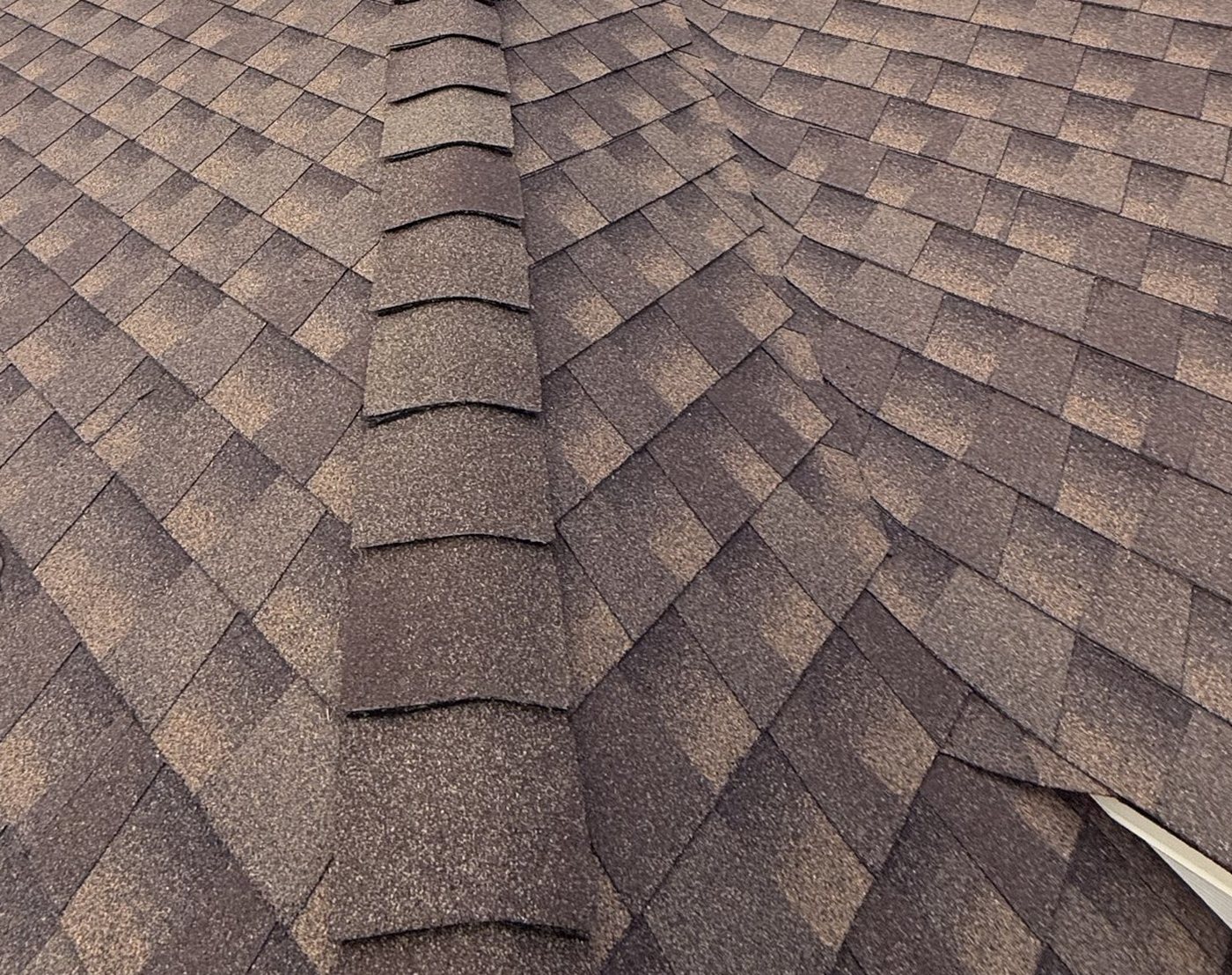
Geography and county lines from the U.S. Census Bureau; hail counts from NOAA’s Storm Events Database. We would rather publish four facts we can source than a page of local color we cannot.
Balcones Heights sits in Bexar County. It lies roughly 16 miles west-southwest of our Selma home base.
An incorporated city in Bexar County. Permit rules are set locally and they change, so we confirm the current requirement for your job rather than working from memory.
NOAA National Centers for Environmental Information, Storm Events Database (hail reports, 2020–2026) lists 106 hail reports within about ten miles of Balcones Heights across 6 of the last seven years, 38 of them an inch and a half or larger. The largest measured 3.00 inches.
An undersized or badly hung gutter is a foundation problem waiting to happen. We size and install to the roof’s actual runoff.
Gutter Details →Siding is the shield between your walls and South Texas weather. We repair and replace it, with the quote in writing first.
Siding Options →A top-to-bottom inspection documented with photos — free, no obligation, and honest about what can wait.
What We Check →Three-tab, architectural, luxury shingle, or metal. We walk the trade-offs honestly and put the choice, and the price, in writing.
Replacement Options →Storm or hail damage often qualifies for an insurance claim. Our inspection documents what is there, in writing, so you have the evidence in hand.
Storm Damage Help →The expensive version of storm damage is the version nobody looked at. Water gets under the shingle, sits on the decking, and turns a flashing repair into a deck replacement over a couple of seasons.
For Balcones Heights specifically: The federal storm record lists 106 hail reports inside a ten-mile radius around Balcones Heights across 6 of the last seven years, 38 of them an inch and a half or larger. The largest measured 3.00 inches. Those are reported events near the city, not damage estimates for any particular house — only getting on your roof answers that.
Storm or hail damage often qualifies for an insurance claim. Our part is the roofing part: we document what we find in a written, photographed report and give you our repair estimate. We are not public adjusters and we do not represent you to your insurer — the claim itself stays yours.
Get My Free Inspection
Rated 5.0 on Google — read what neighbors are saying before you book.
Honesty is the foundation of trust, so we never upsell unnecessary services or push products. If the roof can wait, we say the roof can wait.
On storm work we photograph and write up the damage and hand you the report. We are roofers, not public adjusters — the claim stays yours and your carrier’s.
GAF Certified Contractor — a manufacturer-recognized certification, renewed 2026.
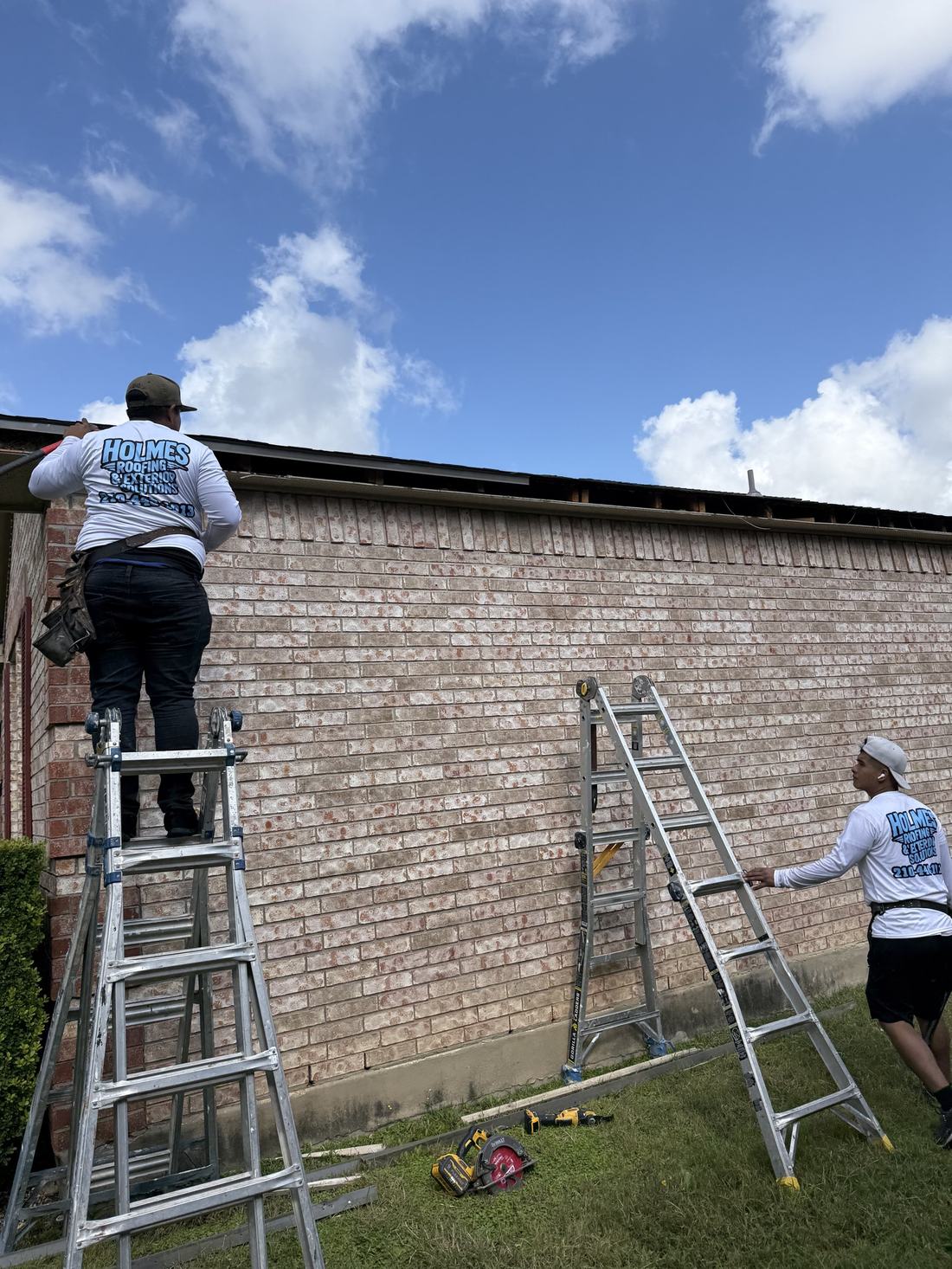
Joshua Holmes personally oversees every job, bringing 20+ years of roofing and contracting experience to the inspection.
Listed nearest first — San Antonio is the closest of these to Balcones Heights, about 2 miles away.
Call (210) 440-1013 and we coordinate a visit inside 24 hours — same day when the weather makes it urgent.
Photos, findings, and a recommendation in writing. Repair, replace, or wait — we tell you which one we would pick.
Nothing is ordered and no crew is scheduled until you have approved the written scope and price.
Answers from Joshua Holmes, Owner — 20+ years in roofing and contracting.
Public storm records log 106 hail reports in the immediate Balcones Heights area across 6 of the last seven years, 38 of them an inch and a half or larger. The largest measured 3.00 inches. That is the public record for the area, and it is the reason we treat a post-storm inspection as routine here rather than optional.
Balcones Heights sits in Bexar County. From the Selma shop it is a 16-mile run.
The written scope you approved, the workmanship warranty, and the manufacturer’s material documentation for what went on the roof.
Then that is what we quote. Small repairs are real work, not a way into a replacement conversation.
Yes. There is no fee and no obligation, and an inspection that ends with 'your roof is fine' is a perfectly normal outcome.
Sometimes, and sometimes not. We will walk you through what each tier changes for your roof specifically, and say so plainly when the cheaper option is the right call — even when it costs us the upsell.
You hear about it before it gets covered up. Bad decking gets photographed and priced as a change you approve, not discovered on the final invoice.
A walk of the whole roof — shingles, flashing, boots, ventilation, and any storm damage — photographed and written up, then explained to you before you decide anything.
We can supply the written scope, product specs, and photos that approval processes normally ask for. The approval itself runs through you and the association.
Shingle, metal, tile, flat, TPO membrane, and modified bitumen — residential and commercial.
From the ground you usually cannot. On shingles it shows as dark bruises where granules were knocked loose; on metal it shows as dents. Getting on the roof is the only reliable check.
Often it is the details rather than the field of the roof — flashing, pipe boots, sealant that has gone brittle. Those are the ones worth catching while they are still the only problem.
Yes — emergency tarping is part of the storm response, ahead of any decision about the permanent repair.